
Quick Links
Ever picked up a racecard at Owlerton and wondered what all the letters, numbers and abbreviations mean? You’re certainly not the only one.
Greyhound grading may look complicated when you first encounter it, but there is a clear system behind the information. Once you understand the basics, you’ll have a much better idea of how each race has been put together and what to look for when the traps open.
Quick answer:
Greyhound grading is the system used to place dogs of similar ability into the same race. A Racing Manager assesses factors including previous performances, race times and recent greyhound form before selecting the runners. The aim is to produce fair, closely contested races in which every greyhound has a competitive opportunity.
What Is Greyhound Grading and Why Is It Used?
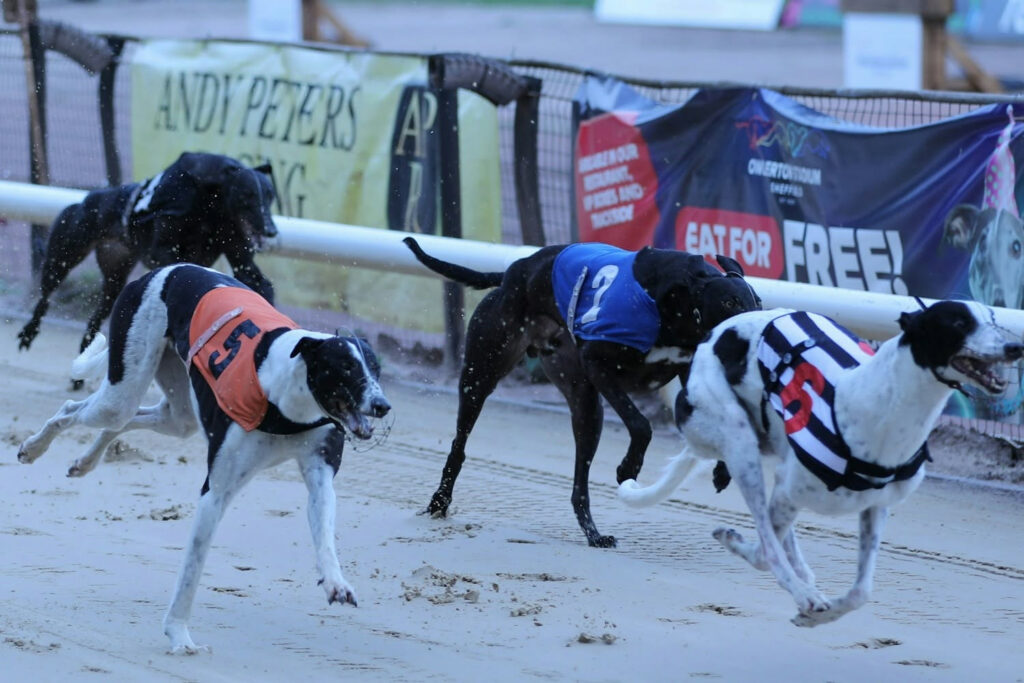
Greyhound grading is the process of grouping dogs according to their ability so they can compete against runners of a similar standard.
The Racing Manager considers each greyhound’s performances before selecting the line-up for a graded race. The objective is to create close, competitive racing rather than putting the quickest dogs against those still finding their paws.
No grading system can guarantee a perfectly even result, of course. Greyhounds are athletes rather than machines, and anything can happen once a race begins. That unpredictability is part of what makes a night at Owlerton so exciting.
How Are Greyhound Racing Grades Decided?
Before competing in its first graded race at a particular track, a greyhound must complete the required qualifying trials. These allow its performance around that specific course and distance to be assessed.
The Racing Manager then reviews information such as recent results, recorded times and how the greyhound ran, rather than judging it on finishing position alone. A dog may have finished behind the winner after encountering trouble during the race, for example, while another may have enjoyed a clear run.
The grading system is continually reviewed. As a greyhound’s performances improve or change, it may move into a different grade where it can continue racing against suitable competition.
What Do the Different Greyhound Grades Mean?
If you have searched for ‘greyhound racing grades explained’, you will probably have come across combinations such as A1 or A5.
The letter usually indicates the race type or distance category, while the number represents the level within that category. At Owlerton, the widely used ‘A’ category ranges from A1 to A8, with A1 representing the highest level. However, race categories and grades can differ according to the distance and the individual track.
Rather than viewing lower grades negatively, it is better to think of them as separate competitive levels. Every greyhound is placed where the Racing Manager believes it can race fairly against dogs of comparable ability.
Graded Races and Open Races: What Is the Difference?
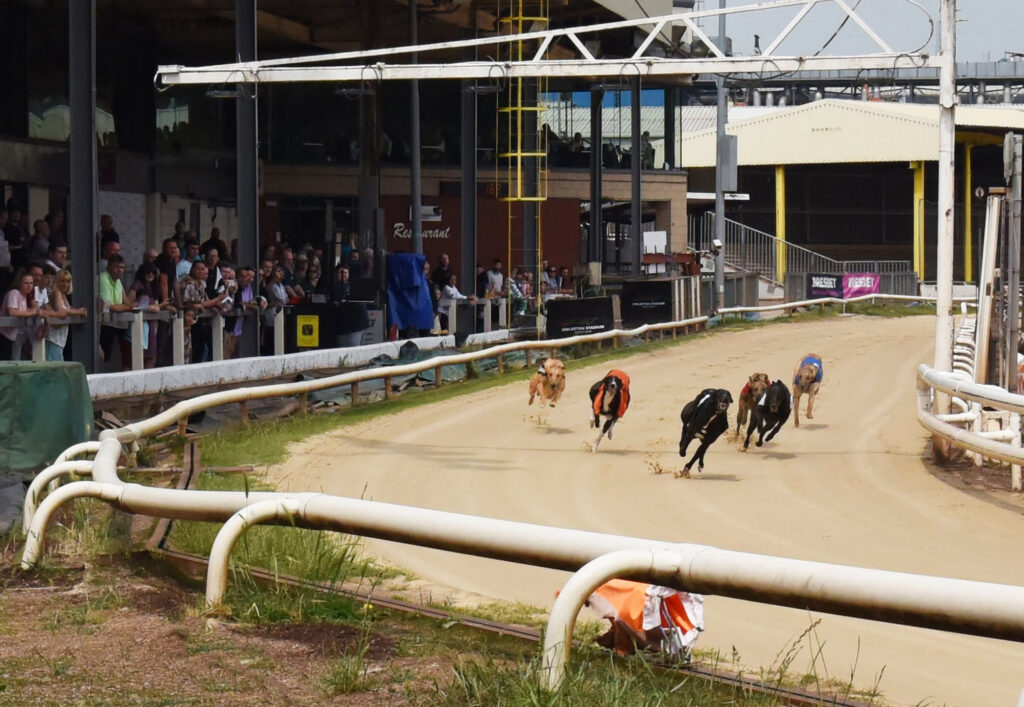
In a graded race, the Racing Manager selects the runners from the available greyhounds, matching them as evenly as possible.
An Open race works differently. Its details are advertised in the GBGB Calendar, and entries are generally accepted from greyhounds trained at different tracks, although particular entry conditions may apply. Open races often attract high-quality runners and can form part of larger competitions. These definitions are set out within the current GBGB Rules of Racing.
How to Read Greyhound Form on a Racecard
A racecard contains far more than a list of colourful names. It provides useful information about every runner, including its trap number, trainer, age, sex and recent greyhound form.
Previous form lines can show:
- The track and race distance
- The trap the greyhound started from
- Its finishing position
- The winning time
- How far it finished ahead of or behind another runner
- Comments describing what happened during the race
Under GBGB racecard rules, official cards must include specified information and recent form lines, with abbreviations explained on the card or through notices at the track.
What Else Can Affect a Greyhound’s Performance?
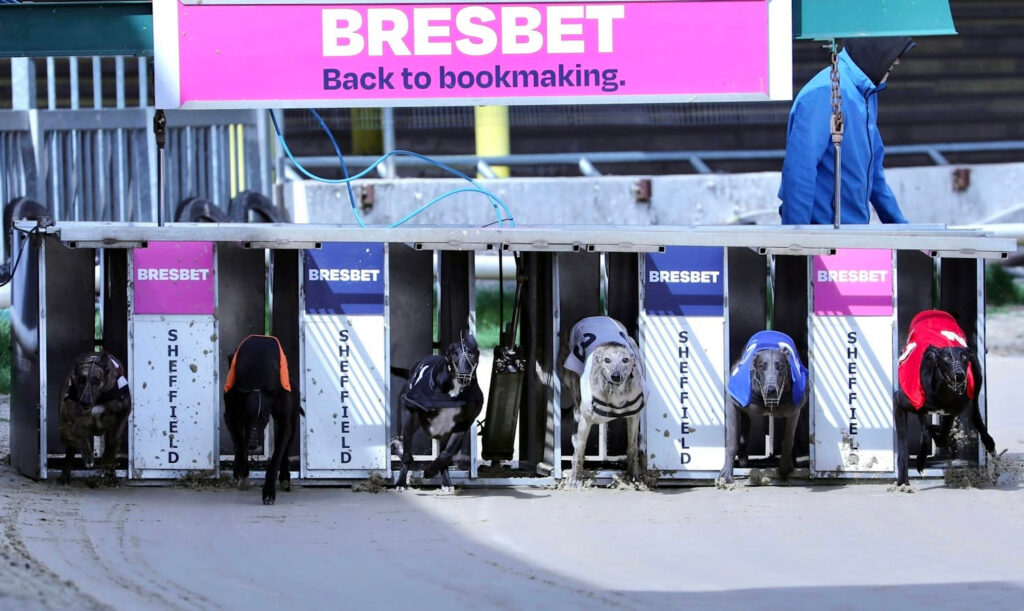
Grade is helpful, but it never tells the whole story. Early speed can be important because reaching the first bend cleanly may help a dog avoid congestion. Trap position is worth considering too, particularly alongside whether the greyhound tends to run close to the rail, through the middle or wider around the track.
Distance, recent form and previous experience at the course can also provide useful context. Age and sex appear on the racecard, but they should not be viewed in isolation; the complete form offers a much more balanced picture.
Think of this greyhound guide as a starting point rather than a formula for finding every winner. There is always room for a surprise, and Owlerton regulars will tell you that’s half the fun.
Ready to put your new racecard knowledge into practice? Explore our upcoming fixtures and join us for your next day or night at Owlerton Stadium.